


Shopping Bag
VIEW ( 0 )

Why Does My Hair Get Oily So Fast?
Hair gets oily when your scalp produces excess sebum. While natural oils are essential for healthy hair, overproduction can leave strands looking flat or greasy. An oily scalp, fine hair texture, frequent touching, product buildup, genetics, and even overwashing can all contribute to oily hair that appears greasy shortly after cleansing.
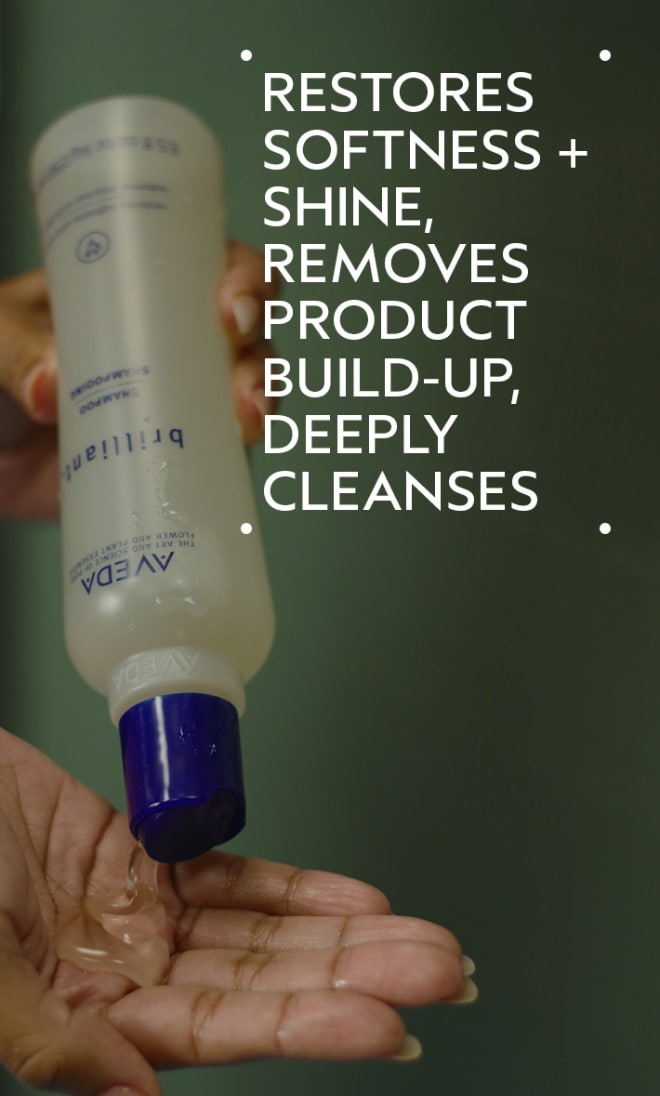
Using the right shampoo for oily hair can help gently rebalance the scalp without stripping it while helping to remove excess oil and buildup while leaving hair feeling refreshed, lightweight, and energized.
How Do I Help Get Rid of Oily Hair?
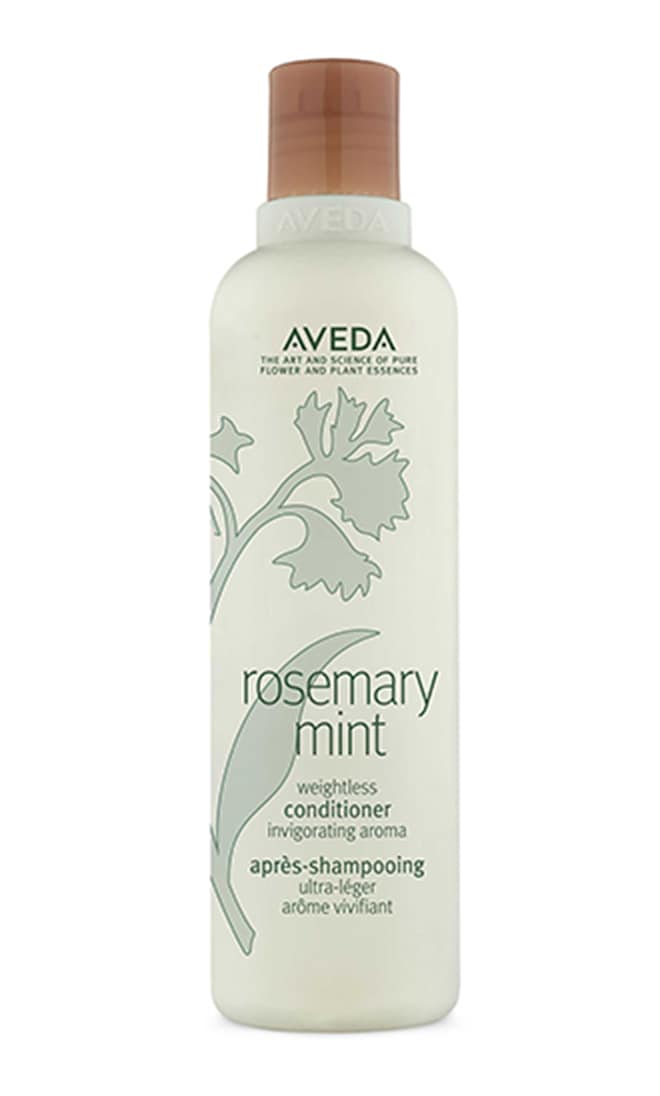
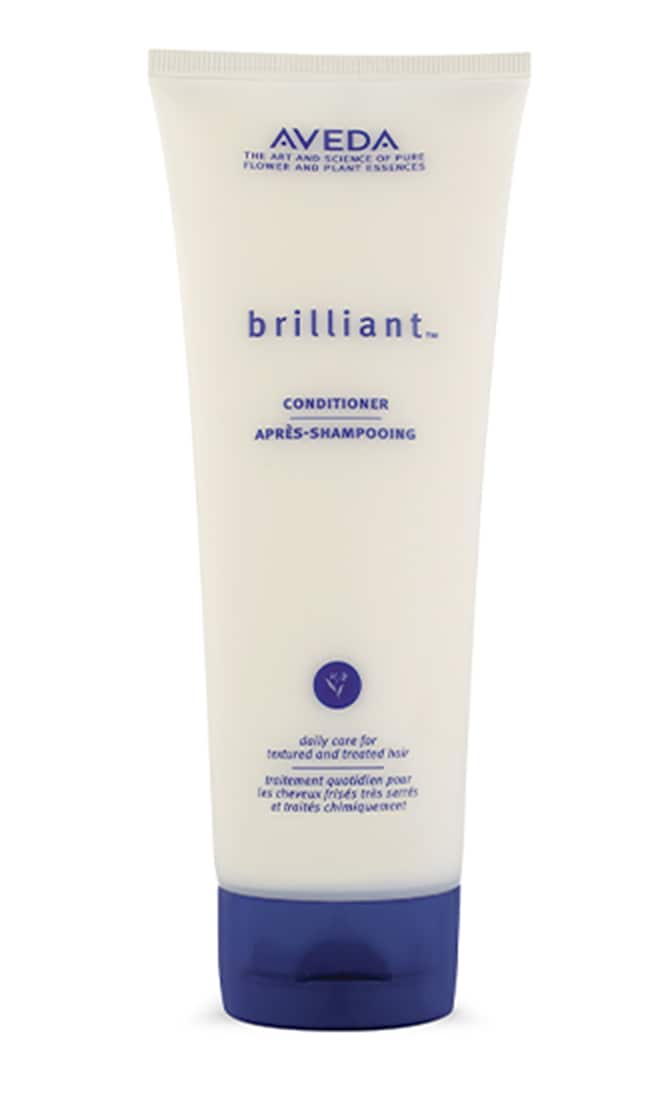
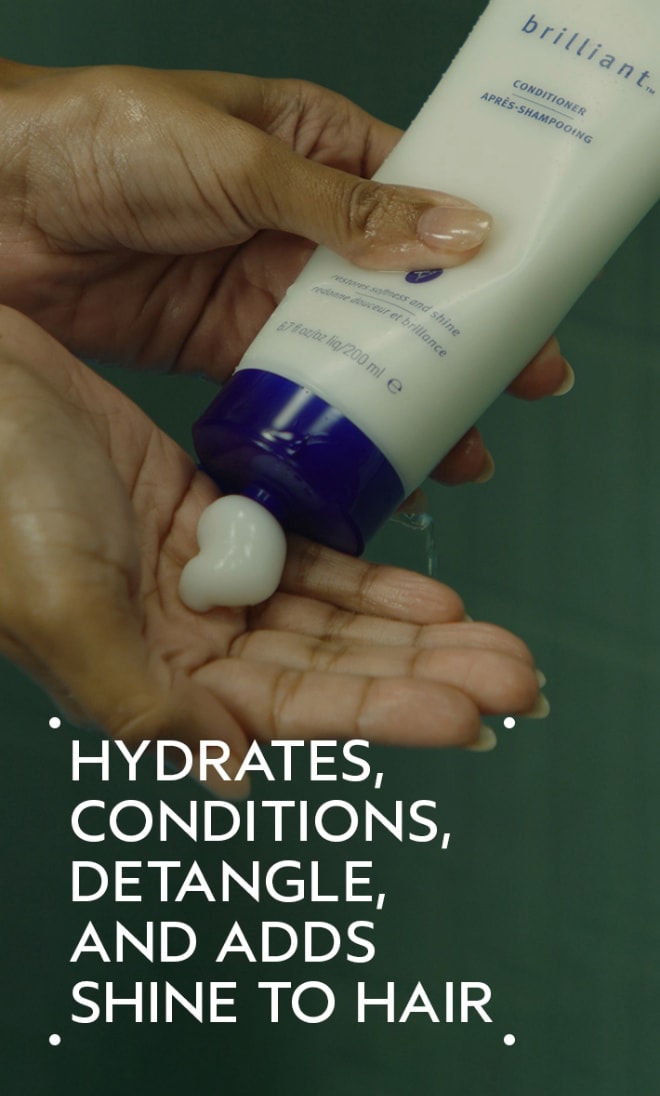
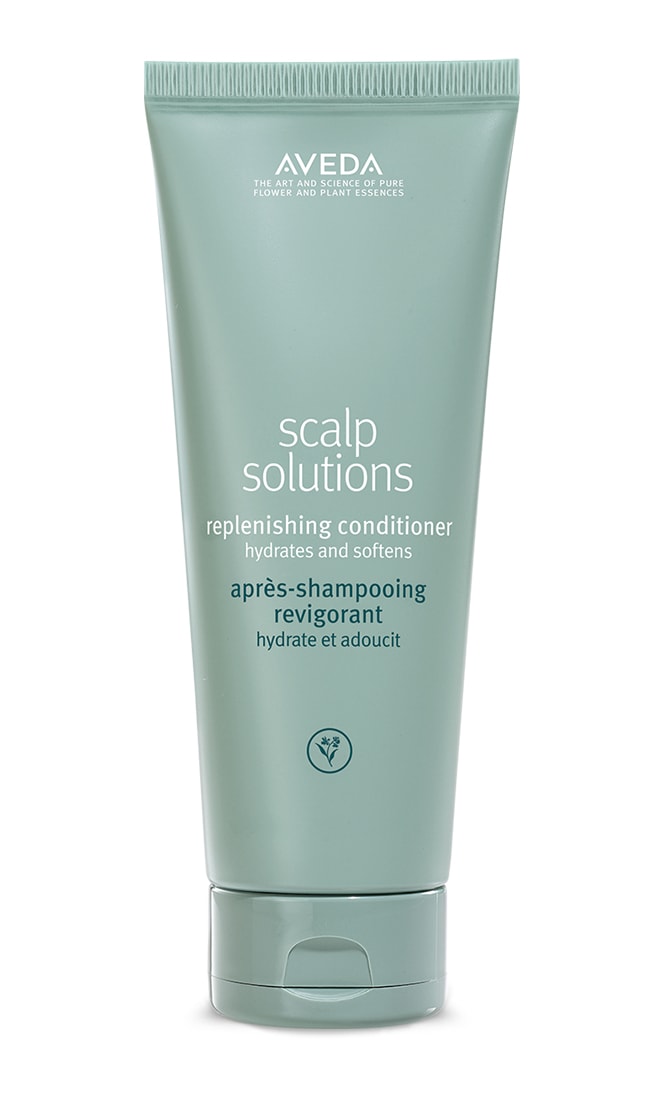
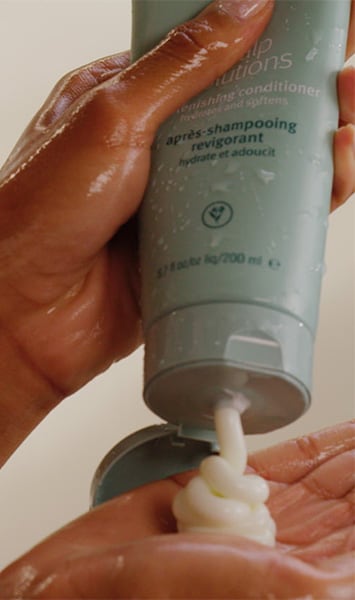
Managing greasy hair starts with balancing your scalp rather than over-drying it. Choose a targeted shampoo for greasy hair that effectively cleanses while respecting your scalp’s natural barrier. Follow with a lightweight conditioner for oily hair, applied mainly to mid-lengths and ends to avoid weighing down the roots.
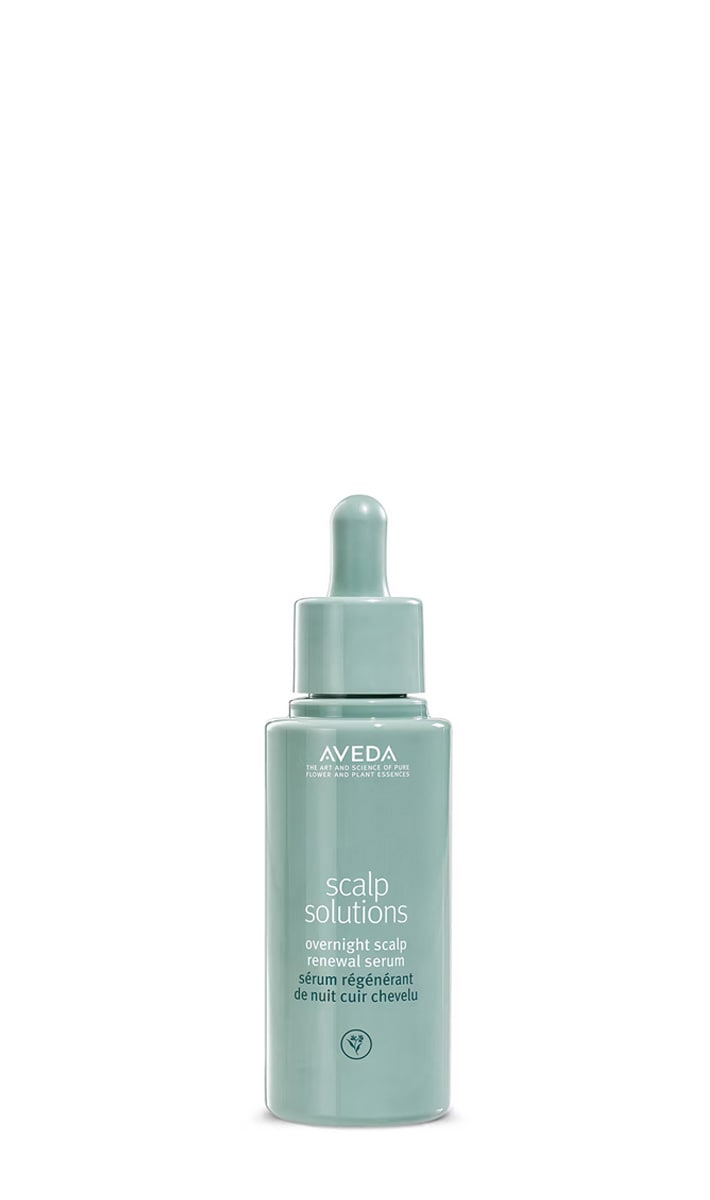
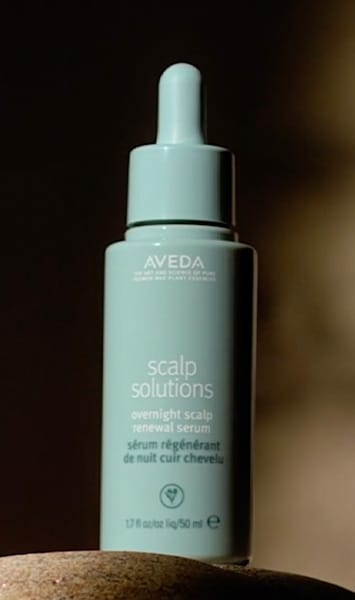
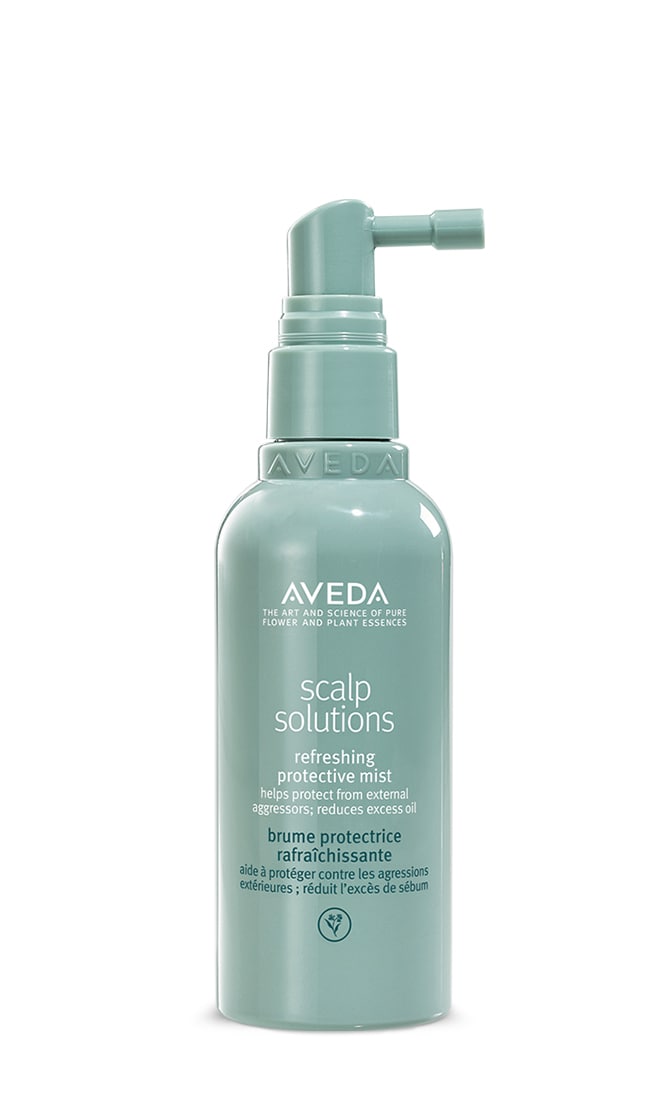
Between washes, a protective mist refreshes and can provide all day scalp protection. Making it a go-to among high-performance oily hair products.
What is The Best Shampoo for Oily Hair?
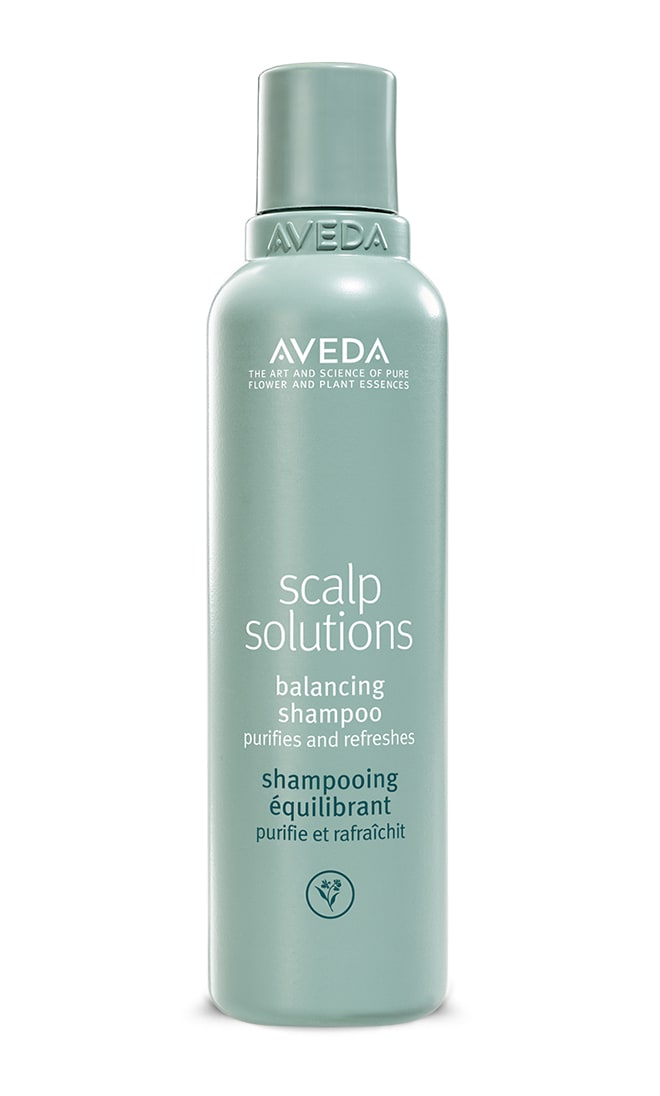
The best shampoo for oily hair is one that deeply cleanses excess oil and buildup without over-stripping the scalp. Harsh formulas can trigger increased oil production, so it’s important to look for a purifying yet gentle shampoo for oily scalp that supports balance.
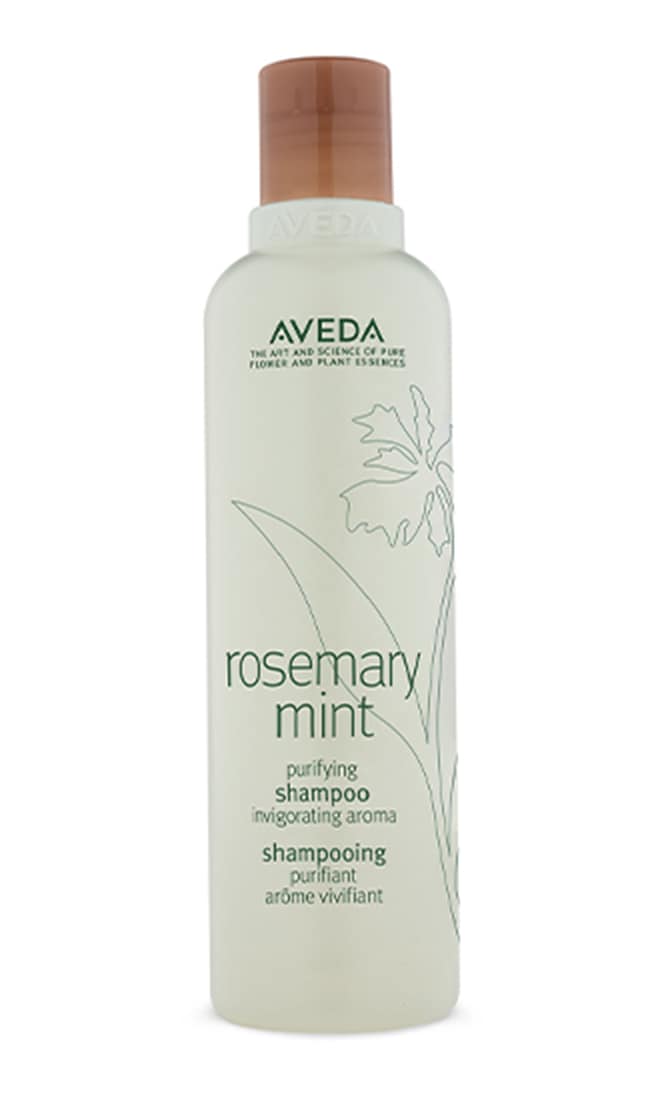
Our Rosemary Mint Purifying Shampoo is a customer favorite and often considered one of our best shampoos for greasy hair. Its invigorating, plant-powered formula that refreshes the scalp, removes impurities, and leaves hair feeling clean, light, and full of movement.
Should I Wash My Hair if it's Greasy?
If your hair feels noticeably greasy, washing with a targeted shampoo for greasy hair can help reset your scalp. However, washing too frequently with overly harsh cleansers may stimulate more oil production.
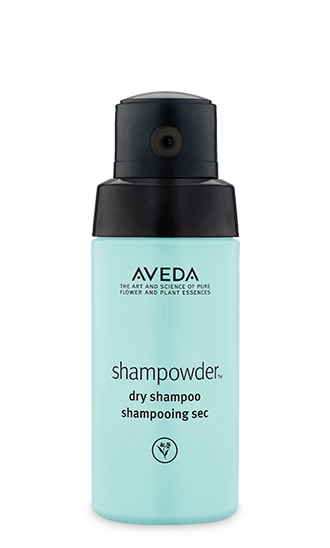
If your scalp feels oily but your ends are dry, alternate wash days with the best dry shampoo for oily hair to extend your style. A balanced routine using professional hair products for oily hair allows you to cleanse when needed while maintaining long-term scalp health.
What Products Help Extend Time Between Washing While Helping Prevent Oily Hair?
The right combination of oily hair products can help you go longer between washes without sacrificing volume. A purifying shampoo for oily hair creates a clean foundation, while a lightweight conditioner for oily hair help prevents heaviness.
To maintain freshness between washes, reach for the best dry shampoo for oily hair to absorb oil at the roots and restore lift. Our protective mist refreshes hair and provides all-day antioxidant protection* plus 48-hour sebum and scalp odor control**. Layering lightweight styling products that won’t build up on the scalp also helps preserve body and movement of hair throughout the day.
*Clinical testing on 21 women after using product one time.
**Clinical testing on 28 women, after using product for 1 week.
4 Things to Know About Oily Hair:
Understanding oily hair starts with recognizing what’s happening at the scalp level and choosing the right products to restore balance.
Signs: These are the visible indicators that your scalp is producing excess oil.
• Shiny, slick roots: Hair looks greasy shortly after washing.
• Flat, limp texture: Lack of volume due to oil weighing strands down.
• Separated strands: Hair clumps together instead of feeling airy.
• Oily scalp feel: The scalp feels coated or heavy to the touch.
Treatments: These are immediate solutions that help reduce excess oil and rebalance the scalp.
• Shampoo for oily scalp: Deeply cleanses buildup and excess sebum without over-drying.
• Lightweight conditioner for oily hair: Hydrates ends without adding heaviness at the roots.
• Dry shampoo for oily hair: Absorbs oil between washes to refresh and revive volume.
Prevention: These are long-term habits that help manage oil production over time.
• Balanced cleansing routine: Avoid harsh overwashing that can trigger more oil.
• Targeted conditioning: Apply conditioner mainly to mid-lengths and ends.
• Minimal product buildup: Choose lightweight hair products for oily hair that won’t clog the scalp.
Types: These describe different patterns of oil production.
• Fine oily hair: Thin strands that show grease quickly because oil travels easily down the hair shaft.
• Combination scalp: Oily roots with dry or damaged ends.
• Stress oiliness: Temporary increase in oil production due to stress or lifestyle changes.
• Buildup-related oiliness: Greasy appearance caused by product residue rather than excess sebum.